In the vibrant realm of aquatic life, the discovery of new fish species continuously astounds and captivates marine biologists and enthusiasts alike. With each dive into the depths of our oceans and rivers, researchers unveil fascinating new inhabitants that enrich our understanding of the underwater world. This year’s list of the 15 most popular new fish species offers a glimpse into the diversity and splendor of aquatic life.
From the shimmering scales of Paracheilinus nursalim to the intricate patterns of Hypostomus basilisko, each species showcases unique adaptations that allow them to thrive in their respective habitats. These discoveries not only highlight the beauty of marine biodiversity but also underscore the importance of conservation efforts in preserving these remarkable creatures for future generations.
As we dive deeper into the specifics of each species, the intricate dance of evolution and adaptation becomes evident. The unveiling of these new species serves as a reminder of the ocean’s endless mysteries and the critical need to protect these ecosystems. Join us as we explore the incredible diversity and remarkable adaptations of these newly discovered fish, each with its own story to tell.
The Rise of New Fish Discoveries
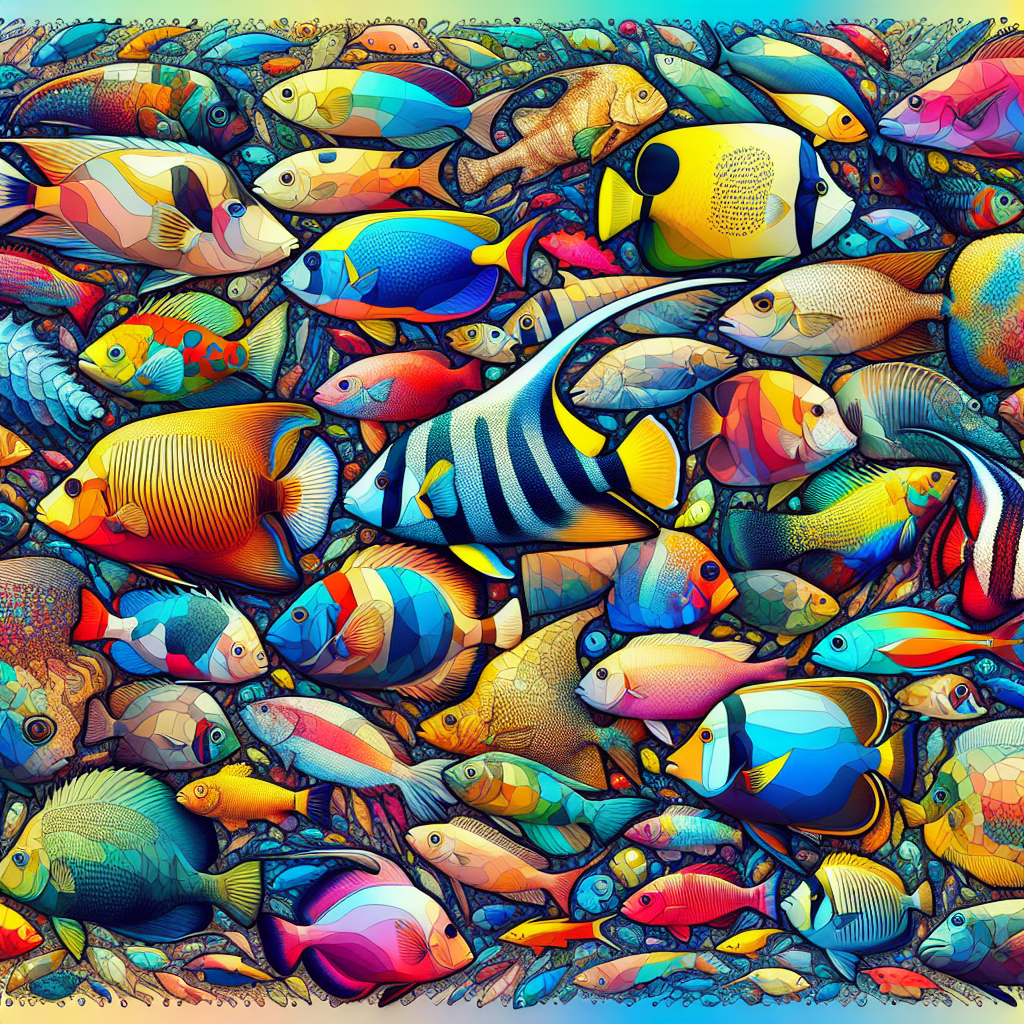
The ocean’s vastness holds countless secrets beneath its shimmering surface. With each new discovery, the allure of the marine world intensifies, sparking curiosity and enthusiasm among scientists and the public alike. As researchers delve deeper into the aquatic frontier, they unearth a plethora of new fish species that redefine our understanding of marine biodiversity.
The Fascination with New Fish Species
What makes new fish species so captivating? It’s not just their vibrant colors or unusual shapes, but the stories they tell about evolution and adaptation. Each discovery offers a peek into the intricate tapestry of life, showcasing the myriad ways in which fish have adapted to survive in diverse environments. This fascination extends beyond aesthetics, as these species can also reveal crucial information about ecological health and environmental changes.
For instance, the discovery of Paracheilinus nursalim, with its distinctive, rainbow-like scales, has provided insights into the evolutionary pressures of its reef habitat. Similarly, the intricate patterns of Hypostomus basilisko have sparked discussions about camouflage and predator-prey dynamics in freshwater ecosystems. These findings underscore the profound connections between these species and their environments, further fueling the quest for understanding.
The Importance of Identifying New Fish
Identifying new fish species is more than an academic exercise; it plays a critical role in conservation efforts. By cataloging these species, scientists can track biodiversity and monitor the health of ecosystems. This information is vital for assessing the impacts of human activities, such as overfishing and pollution, as well as natural phenomena like climate change.
- Biodiversity Tracking: By understanding the diversity of life in a given area, conservationists can better prioritize efforts to protect vulnerable species.
- Indicator Species: Some fish serve as indicators of environmental health, helping scientists detect changes in water quality or habitat conditions.
- Conservation Prioritization: Species identification aids in the creation of protected areas and the implementation of sustainable management practices.
How Scientists Discover New Fish Species
Discovering new fish species often involves a blend of technology, perseverance, and serendipity. Scientists employ a variety of methods, from traditional fieldwork to cutting-edge genetic analysis, to uncover these hidden gems of the aquatic world. Advanced technologies such as remote-operated vehicles (ROVs) and underwater drones have expanded researchers’ reach into previously inaccessible areas.
Moreover, genetic barcoding has revolutionized species identification, allowing scientists to detect subtle differences in DNA that distinguish one species from another. This method has been instrumental in revealing cryptic species, which are visually similar but genetically distinct. As a result, our understanding of fish diversity is continually refined and expanded.
Top 5 of the 15 Most Popular New Fish Species
Among the numerous discoveries, certain species have captured the public’s imagination more than others. These standout species are not only fascinating in their own right, but they also exemplify the wonders of marine biodiversity. Here, we shine a spotlight on the top five most popular new fish species from this year’s discoveries.
Species Spotlight: Unique Characteristics
The variety of adaptations and features exhibited by these new species is astonishing. Take, for example, the newly identified Grammatonotus brianne, which boasts vibrant, iridescent hues that change with the angle of light. Its coloration not only dazzles but serves as a form of communication and camouflage.
Another remarkable find is the Pseudanthias timanoa, distinguished by its elongated dorsal fin and vivid yellow and purple coloration. This species thrives in deep coral reefs, where its striking appearance plays a role in mating displays and territorial defense.
Habitats and Ecosystems: Where These Fish Thrive
The new species span a range of habitats, from the deep sea to freshwater rivers. This diversity sheds light on the ecological niches they occupy and the roles they play within their ecosystems. For instance, the Scarus hastatus, a type of parrotfish, is found in coral reefs where it grazes on algae, contributing to the health of the reef ecosystem.
Similarly, the Hypostomus fonchii inhabits fast-flowing streams in South America, where it uses its specialized mouth to cling to rocks and feed on detritus, playing a crucial role in nutrient cycling. These examples underscore the importance of preserving diverse habitats to maintain ecological balance.
Why These Fish Have Captured Public Interest
Beyond their scientific significance, these new fish species have also captured the public’s imagination. The combination of their vivid appearances, intriguing behaviors, and the stories behind their discovery make them appealing to a wide audience. Social media platforms have become a popular venue for sharing images and stories about these fascinating creatures, further fueling public interest.
“The discovery of each new species is a reminder of the vastness of the ocean and the many secrets it still holds,” says Dr. Maria Santos, a marine biologist at the Institute for Ocean Exploration.
Moreover, these discoveries highlight the urgent need for conservation. As awareness grows, so does public support for initiatives aimed at protecting marine environments and the incredible biodiversity they nurture. In this way, new fish species not only enrich our understanding but also inspire action to safeguard the future of our planet’s waters.
The continued exploration of our oceans and rivers promises to reveal even more wonders in the years to come, deepening our appreciation for the complex and beautiful web of life that thrives beneath the waves.
The Remaining 10 Popular New Fish Species

The ocean’s depths hold countless surprises, and the remaining ten species also showcase remarkable features and adaptations that deserve recognition. These species not only enhance our understanding of marine ecosystems but also highlight the intricate balance of life beneath the waves.
The Impact of New Fish Discoveries on Marine Biology
Uncovering new fish species offers more than just aesthetic enjoyment; it significantly advances the field of marine biology. These discoveries provide fresh perspectives that can lead to groundbreaking research, alter existing paradigms, and inform conservation strategies. As scientists delve deeper into these new species, they uncover fascinating insights into evolutionary processes and ecological interactions.
Contributions to Scientific Research
New fish species are a treasure trove of information, contributing to various avenues of scientific research. The study of these species often reveals unique evolutionary adaptations that have enabled them to thrive in specific environments. For example, the Halichoeres rubricephalus, discovered in the coral reefs of the Pacific, exhibits a specialized feeding mechanism that allows it to consume hard-shelled prey, offering insights into dietary adaptations.
These discoveries can illuminate broader biological processes. The genetic makeup of newly identified species often provides clues about genetic diversity and resilience, which are crucial for understanding the impacts of environmental changes. Moreover, these species can serve as model organisms for studying specific biological phenomena, such as the development of coloration patterns or the mechanisms of deep-sea adaptation.
Challenges in Conservation and Protection
While the discovery of new fish species is an exciting development, it also raises important questions about conservation and protection. Many of these species inhabit fragile ecosystems that are increasingly threatened by human activities and climate change. The challenge lies in ensuring that these newly identified species are safeguarded for future generations.
- Habitat Degradation: Many new species are found in habitats vulnerable to degradation, such as coral reefs and mangroves. Protecting these environments is crucial for the survival of the species they host.
- Overfishing: Some new species may become targets for commercial fishing before their populations are fully understood, posing a risk to their long-term viability.
- Climate Change: Rising ocean temperatures and acidification threaten the delicate balance of marine ecosystems, impacting the new species that rely on them.
Addressing these challenges requires a coordinated effort between governments, conservation organizations, and local communities. By implementing sustainable practices and establishing protected areas, we can help ensure the survival of these remarkable fish species.
Future Prospects: What’s Next for New Fish Species?
Looking ahead, the future of new fish species discovery is both promising and challenging. Advances in technology continue to expand our capabilities, allowing researchers to explore previously inaccessible areas and uncover more of the ocean’s secrets. However, the growing threats to marine ecosystems underscore the need for immediate conservation action.
The integration of citizen science is becoming increasingly important in the identification and monitoring of new species. Enthusiasts and volunteers equipped with smartphones and underwater cameras can contribute valuable data, expanding the reach of scientific research. Furthermore, international collaborations and sharing of resources are vital for comprehensive studies of marine biodiversity.
As technology and conservation efforts evolve, the potential for discovering and preserving new fish species remains vast. With continued exploration and a commitment to sustainability, we can deepen our understanding of the marine world and ensure that its treasures are protected for generations to come.
In conclusion, the discovery of the 15 most popular new fish species not only enriches our knowledge but also calls for renewed dedication to marine conservation. By appreciating the beauty and complexity of these species, we are reminded of the ocean’s boundless potential and the urgent need to protect it.
Embracing the Depths: A Call to Explore and Protect

The discovery of the 15 most popular new fish species sheds light on the remarkable diversity and resilience of marine life. Each new species not only expands our understanding of evolutionary adaptations but also emphasizes the intricate connections within aquatic ecosystems. These findings have captivated the public and scientists alike, showcasing the fascinating stories of survival and adaptation hidden beneath the waves.
As we celebrate these discoveries, we are reminded of the critical importance of marine conservation. The vibrant colors, unique behaviors, and ecological roles of these species underscore the need to protect their habitats from human threats and climate change. By continuing to explore and document the ocean’s mysteries, we can foster a deeper appreciation for the underwater world and inspire collective action to safeguard its future.
With the promise of new technologies and the growing involvement of citizen scientists, the journey of discovery is far from over. As we venture into uncharted waters, the potential for further enriching our knowledge of marine biodiversity remains vast, urging us to cherish and protect the ocean’s treasures for generations to come.