In recent years, the quest for maintaining pristine aquatic environments has driven the development of advanced filtration technology in freshwater fish tanks. This evolution is fueled by increasing awareness of the crucial role aquatic ecosystems play in the health and vitality of fish species. Hobbyists and professionals striving to create healthier habitats are finding innovative solutions through cutting-edge filtration systems that offer advanced approaches to water quality management.
Central to these technological advancements is the ability to effectively remove contaminants while preserving beneficial microbiota, fostering a balanced and thriving ecosystem. The integration of biological, mechanical, and chemical filtration in one system highlights the progress of this technology. Utilizing materials like activated carbon, ceramic rings, and sponge filters, these systems provide comprehensive solutions tailored to the diverse needs of freshwater aquaria.
Furthermore, the advent of intelligent systems that monitor and adjust filtration processes in real-time marks a significant leap forward. These innovations not only enhance the aesthetic appeal of fish tanks but also contribute to the long-term health of the aquatic life they support. As we delve deeper into this topic, the promise of a healthier and more sustainable aquatic environment becomes increasingly tangible.
Understanding Advanced Filtration Technology for Freshwater Fish Tanks
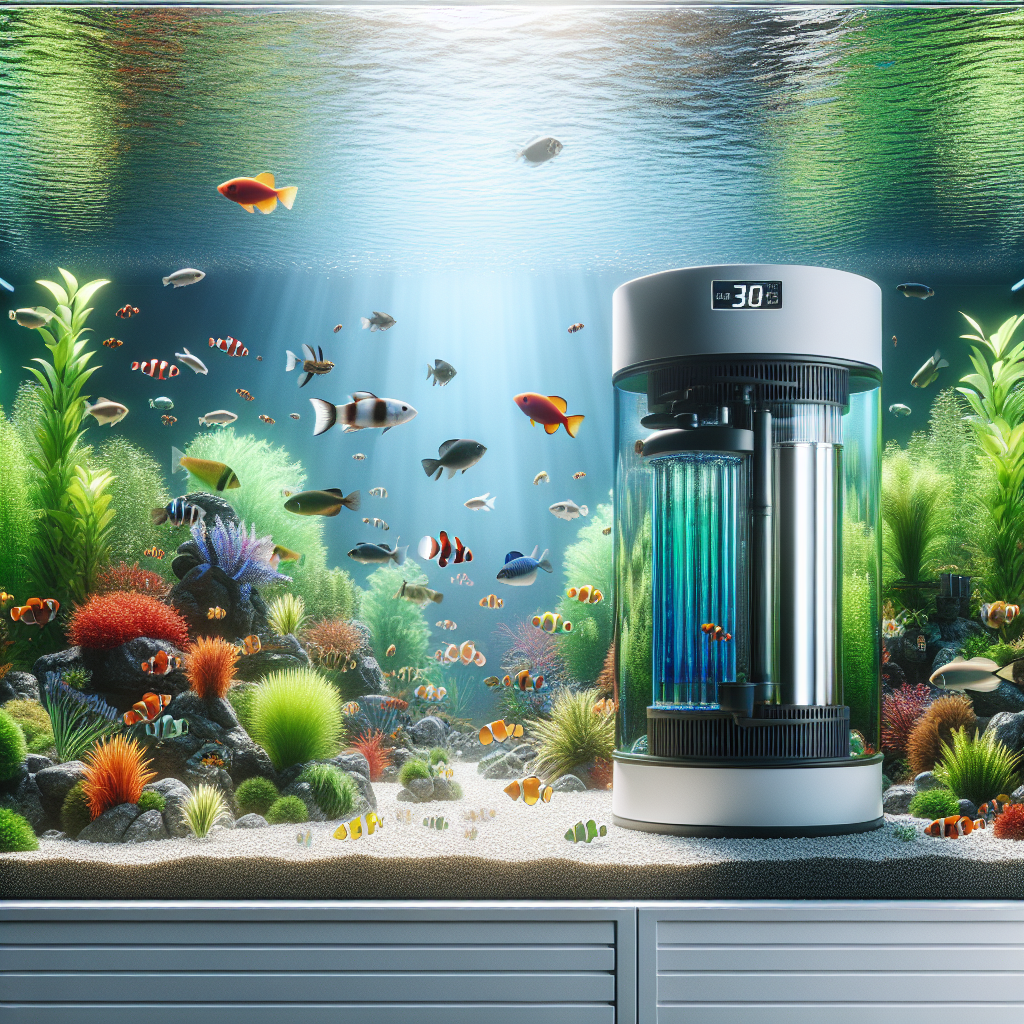
Delving into the world of freshwater aquariums, advanced filtration systems have revolutionized water quality and fish health standards. What makes these systems so effective, and how do they operate? This section explores the intricacies of filtration technology, examining its types, innovations, and how to choose the best system for your tank.
The Basics of Filtration Systems
Filtration systems are the backbone of any healthy aquarium, ensuring that water remains clean and safe for aquatic life. These systems work by removing harmful substances that can accumulate in closed aquatic environments. What components make up a filtration system, and how do they achieve this?
- Biological Filtration: This process relies on beneficial bacteria to break down ammonia and nitrite, byproducts of fish waste and uneaten food, into less harmful nitrate.
- Mechanical Filtration: Involves physically removing debris and particulates from the water, typically through sponges or other porous media.
- Chemical Filtration: Utilizes activated carbon or other materials to remove dissolved impurities, odors, and discolorations.
These components work synergistically to maintain a balanced aquatic environment, essential for the health of both fish and plants.
Types of Filtration: Biological, Mechanical, and Chemical
Each type of filtration plays a unique role in maintaining the ecosystem within a freshwater tank. Understanding these roles is critical for any aquarium enthusiast.
Biological filtration is arguably the most important, as it transforms toxic substances into safer compounds through nitrification. This process is facilitated by bacteria that colonize filter media, creating a natural cycle that mirrors what occurs in nature.
Mechanical filtration serves as the first line of defense, capturing visible particles and preventing them from degrading water quality. By removing these substances, mechanical filters reduce the load on biological and chemical systems.
Chemical filtration acts as a final polish, targeting specific impurities that biological and mechanical processes might miss. Activated carbon is commonly used for this purpose, absorbing a wide range of contaminants.
How Each Filtration Type Supports Fish Health
The health of freshwater fish is intricately linked to the effectiveness of the filtration system. Poor water quality can lead to stress, disease, and even mortality in fish, making robust filtration essential.
Biological filtration directly impacts fish health by neutralizing toxic compounds that can cause stress and illness. By maintaining low levels of ammonia and nitrite, fish are less likely to experience health issues.
Mechanical filtration supports better water clarity, reducing the risk of infections that thrive in particulate-laden environments. Clear water lets fish exhibit natural behaviors, vital for their well-being.
Chemical filtration ensures that water remains free from harmful chemicals and odors, providing a stable environment that supports vibrant fish life. This stability is crucial for sensitive species that thrive in pristine conditions.
Innovations in Advanced Filtration Technology
With technological progress, filtration systems have become increasingly sophisticated. Recent innovations have made maintaining a clean and healthy aquarium more accessible than ever before.
Smart Filtration Systems: Automation and Monitoring
The integration of technology into aquarium maintenance has led to the development of smart filtration systems that automate and monitor water quality in real-time. These systems use sensors and software to analyze water parameters, adjusting filtration processes as needed to maintain optimal conditions. For instance, a smart system might increase mechanical filtration during feeding times to capture excess food before it decomposes.
According to a study by ScienceDirect, such systems can significantly reduce manual maintenance, allowing aquarists to focus more on the enjoyment of their aquatic pets and less on routine upkeep.
Energy-Efficient Filters: Balancing Performance and Sustainability
Environmental sustainability is a growing concern, and energy-efficient filters are a response to this need. These filters are designed to minimize power consumption while maximizing filtration effectiveness. They employ innovative technologies such as variable speed pumps and low-resistance media to achieve the delicate balance between performance and energy use.
A report by Energy.gov highlights that using energy-efficient technologies in aquariums can reduce overall energy consumption by up to 20%, benefiting both the environment and the aquarist’s wallet.
The Role of Nanotechnology in Modern Filtration
Nanotechnology is at the forefront of modern filtration advancements, introducing materials that enhance the removal of contaminants at a molecular level. Nano-filters can trap particles much smaller than those captured by traditional methods, offering a higher degree of water purity.
Research from Nature Nanotechnology suggests that the use of nanoparticles in filtration media can improve the removal of heavy metals and organic pollutants, creating a safer environment for fish.
Selecting the Right Filtration Technology for Your Freshwater Fish Tank
Choosing the appropriate filtration system is crucial for maintaining a healthy aquarium. With so many options available, how can one make the best choice? This section explores the factors to consider and the options available to ensure optimal filtration performance.
Factors to Consider: Tank Size and Fish Species
When selecting a filtration system, the size of the tank and the species of fish it houses are critical considerations. Larger tanks require more robust systems to circulate and filter the water effectively, while smaller tanks may need a more delicate balance to avoid over-filtration.
Certain fish species have specific water quality needs. For example, Discus fish require exceptionally clean water, necessitating a filtration system that can handle a higher bioload. Conversely, hardy species like Betta fish might thrive with simpler setups.
Comparing Popular Advanced Filtration Options
The market is flooded with filtration options, but not all systems are created equal. Popular advanced filtration technologies include canister filters, hang-on-back filters, and internal power filters.
- Canister Filters: Known for their efficiency and capacity, ideal for larger tanks and bioloads.
- Hang-on-Back Filters: Easy to install and maintain, suitable for small to medium tanks.
- Internal Power Filters: Compact and versatile, best for smaller aquariums.
Each type offers unique benefits, and the choice should align with the specific needs of the aquatic ecosystem in question.
Maintenance Tips for Optimal Filtration Performance
Even the most advanced filtration systems require regular maintenance to function effectively. Routine cleaning and replacement of filter media are essential to prevent clogging and ensure consistent water quality.
Here are a few tips to maintain optimal filtration performance:
- Regular Cleaning: Clean mechanical filters weekly to prevent debris buildup.
- Media Replacement: Replace chemical and biological media as per manufacturer’s guidelines.
- Monitor Water Parameters: Use test kits to regularly check ammonia, nitrite, and nitrate levels.
By following these maintenance practices, aquarists can ensure their systems continue to support a healthy and vibrant aquarium environment.
In conclusion, advanced filtration technology represents a significant leap forward in the care of freshwater aquariums. By understanding the various components and innovations available, aquarists can create a balanced ecosystem that supports the health and well-being of their fish. As technology continues to evolve, the possibilities for maintaining pristine aquatic environments are bound to expand, promising an even brighter future for the world of aquatics.
Embracing the Future of Aquatic Health with Advanced Filtration
The exploration of advanced filtration technology for freshwater fish tanks reveals a transformative impact on aquatic care, enhancing both the health and vibrancy of fish habitats. By integrating biological, mechanical, and chemical filtration, these systems adeptly manage water quality, ensuring a balanced ecosystem that mirrors natural aquatic environments.
Innovations such as smart filtration systems and energy-efficient designs exemplify how technology facilitates more sustainable and manageable aquarium maintenance. The advent of nanotechnology further elevates water purity, catering to the delicate needs of diverse fish species. As aquarists adopt these innovative solutions, they can tailor their approach to meet specific tank requirements, promoting a healthier and more sustainable aquatic environment.
In summary, the ongoing advancements in filtration technology promise a brighter future for aquarium enthusiasts, offering tools to create and maintain ideal living conditions for freshwater fish. As we continue to embrace these innovations, the commitment to fostering vibrant, pristine aquatic ecosystems becomes not only achievable but also enriching for aquarists worldwide.