The global challenge of a freshwater fish shortage has increasingly captured the attention of scientists, environmentalists, and policymakers. This phenomenon, affecting both ecosystems and human communities, is a worldwide concern rather than a mere regional issue. Freshwater fish, thriving in rivers, lakes, and wetlands, are a vital component of biodiversity and a crucial protein source for millions of people.
Several factors contribute to this shortage, with environmental degradation, overfishing, and climate change being the primary drivers. The depletion of fish populations is exacerbated by pollution and the destruction of natural habitats, such as river damming and deforestation. These activities disrupt the delicate balance of aquatic ecosystems and threaten numerous fish species’ survival.
While the situation is alarming, there is hope. Innovative solutions are emerging to address these challenges and restore freshwater fisheries. Initiatives such as sustainable fishing practices, habitat restoration, and the implementation of effective conservation policies are proving effective. By fostering collaboration among stakeholders and raising awareness about the importance of preserving freshwater resources, there is a promising path forward to ensure the longevity and health of our planet’s freshwater fish populations.
The Root Causes of the Freshwater Fish Shortage

Understanding the root causes of the freshwater fish shortage is crucial for developing effective strategies to combat this global crisis. Environmental degradation, overfishing, and climate change are primary factors driving this alarming trend, interacting to destabilize aquatic biodiversity and disrupt ecosystems.
Overfishing and Its Impact on Ecosystems
Overfishing is a significant contributor to the dwindling numbers of freshwater fish, impacting not only fish populations but also aquatic ecosystems. This practice diminishes fish stocks beyond their capacity to replenish naturally, leading to a depletion of key species crucial for maintaining ecological balance. For instance, species vital for controlling algae growth or serving as a primary food source for other wildlife face extinction threats, affecting the entire food web.
Moreover, the removal of specific fish species disrupts predator-prey relationships, causing unforeseen consequences across the ecosystem. According to a study by the World Wildlife Fund, overfishing of predators can lead to prey population explosions, further unsettling the ecosystem. This imbalance can result in habitat degradation and loss of biodiversity, ultimately impacting human communities relying on these resources for their livelihoods.
Pollution and Habitat Degradation
Pollution and habitat degradation pose continuous threats to the health of freshwater ecosystems. Pollution, particularly from agricultural runoff, industrial waste, and urban development, introduces harmful chemicals and toxins into water bodies, endangering fish species and compromising water quality. These pollutants can cause severe damage to fish health, leading to increased mortality rates and reduced reproductive success.
Habitat degradation, resulting from activities like deforestation, river damming, and wetland drainage, compounds the problem by disrupting essential breeding and feeding grounds. For example, dam construction can hinder migratory species from reaching their spawning sites, dramatically impacting their numbers. Additionally, the loss of riparian vegetation reduces natural filtration and shade, leading to elevated water temperatures that many species cannot tolerate.
Climate Change: A Growing Threat to Freshwater Fish
The intensifying climate crisis is increasingly impacting freshwater ecosystems. Rising temperatures are altering the thermal regimes of rivers and lakes, pushing species beyond their physiological limits. Many freshwater fish are highly sensitive to temperature fluctuations, and even slight increases can disrupt metabolic processes, reproductive cycles, and habitat suitability. Warmer waters also exacerbate the spread of invasive species and pathogens, further straining native populations.
Furthermore, climate change contributes to altered precipitation patterns, leading to more frequent and severe droughts and floods. These events can drastically change water levels and flow patterns, reducing available habitat and increasing the risk of habitat fragmentation. According to the Intergovernmental Panel on Climate Change, such changes can have profound impacts on fish populations, making it imperative to integrate climate resilience into conservation planning.
Addressing the root causes of the freshwater fish shortage requires a comprehensive approach that considers the interplay of overfishing, pollution, habitat degradation, and climate change. By understanding and tackling these challenges, societies can work towards sustainable solutions that preserve aquatic biodiversity and ensure the continued availability of this vital resource.
Innovative Solutions to Combat the Freshwater Fish Shortage
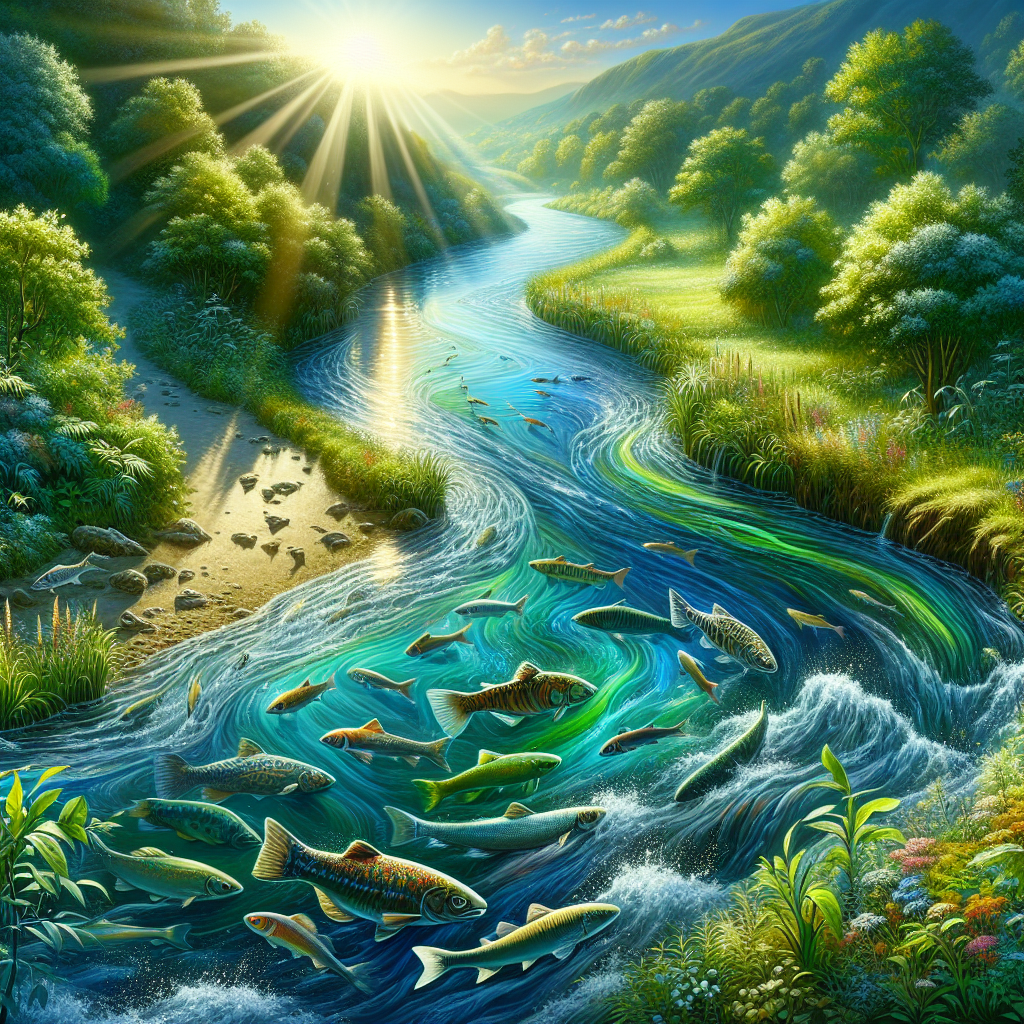
Despite the challenges of declining freshwater fish populations, innovative solutions are emerging to address this critical issue. By employing sustainable strategies, communities and policymakers can alleviate pressures on these vital ecosystems and ensure the future of freshwater fisheries.
Sustainable Fishing Practices
To mitigate the freshwater fish shortage, adopting sustainable fishing practices is essential. These methods aim to preserve fish populations while ensuring the long-term viability of fishing industries and communities.
Implementing Quotas and Regulations
Implementing fishing quotas and regulations is a proven strategy for managing fish stocks effectively. By setting catch limits and enforcing seasonal bans, authorities can prevent overfishing and allow fish populations to recover. For instance, the success of the Food and Agriculture Organization’s guidelines on sustainable fisheries showcases how regulatory frameworks can balance ecological needs with economic interests.
Furthermore, these regulations often establish marine protected areas and no-fishing zones, providing safe havens for fish to breed and thrive. By protecting critical habitats, these measures help maintain biodiversity and support the regeneration of aquatic life.
Promoting Community-Based Conservation
Community-based conservation initiatives play a vital role in sustainable fishing. By involving local communities in decision-making processes, these programs empower stakeholders to manage their resources responsibly. According to renowned marine biologist Sylvia Earle, “Protecting the ocean means protecting ourselves. Community engagement is key to sustainable management.”
- Educational programs that raise awareness about sustainable practices.
- Collaborative efforts between fishers, scientists, and government bodies.
- Economic incentives for communities adopting eco-friendly fishing techniques.
These initiatives foster a sense of ownership and promote cultural and economic sustainability within fishing communities.
Restoration of Aquatic Habitats
Restoring degraded aquatic habitats is another crucial strategy in combating the freshwater fish shortage. By rehabilitating environments damaged by human activity, we can create conditions conducive to fish population recovery.
Efforts like reforestation of riparian zones and removal of obsolete dams are transforming degraded ecosystems. These actions improve water quality, increase habitat complexity, and restore natural hydrological processes. For example, the removal of the Elwha River Dam in Washington State led to the rapid return of salmon populations, highlighting the powerful impact of habitat restoration.
Moreover, wetland restoration projects, focusing on reestablishing natural floodplain dynamics, have successfully enhanced fish habitats, providing critical spawning and nursery areas. Such initiatives are crucial in ensuring the resilience of freshwater ecosystems in the face of ongoing environmental changes.
Technological Innovations in Fish Breeding
Technological advancements in fish breeding offer promising solutions to bolster fish populations. By employing innovative techniques, scientists are enhancing the genetic diversity and resilience of freshwater species.
One such advancement is the development of selective breeding programs aimed at increasing the adaptability and survival rates of fish. These programs focus on breeding individuals with traits suited to changing environmental conditions, such as temperature tolerance and disease resistance.
Additionally, aquaculture technologies are being refined to reduce the environmental impact of fish farming. Methods like recirculating aquaculture systems (RAS) and integrated multi-trophic aquaculture (IMTA) minimize waste and promote sustainable production. According to a study by the United Nations, these practices have the potential to supplement wild fish stocks while alleviating pressure on natural populations.
By integrating these cutting-edge approaches, we can create a more sustainable future for freshwater fisheries. It is through a combination of sustainable practices, habitat restoration, and technological innovation that we can address the multifaceted challenges of the freshwater fish shortage and work towards preserving these vital resources for generations to come.
The Role of Policy and Community in Addressing the Freshwater Fish Crisis
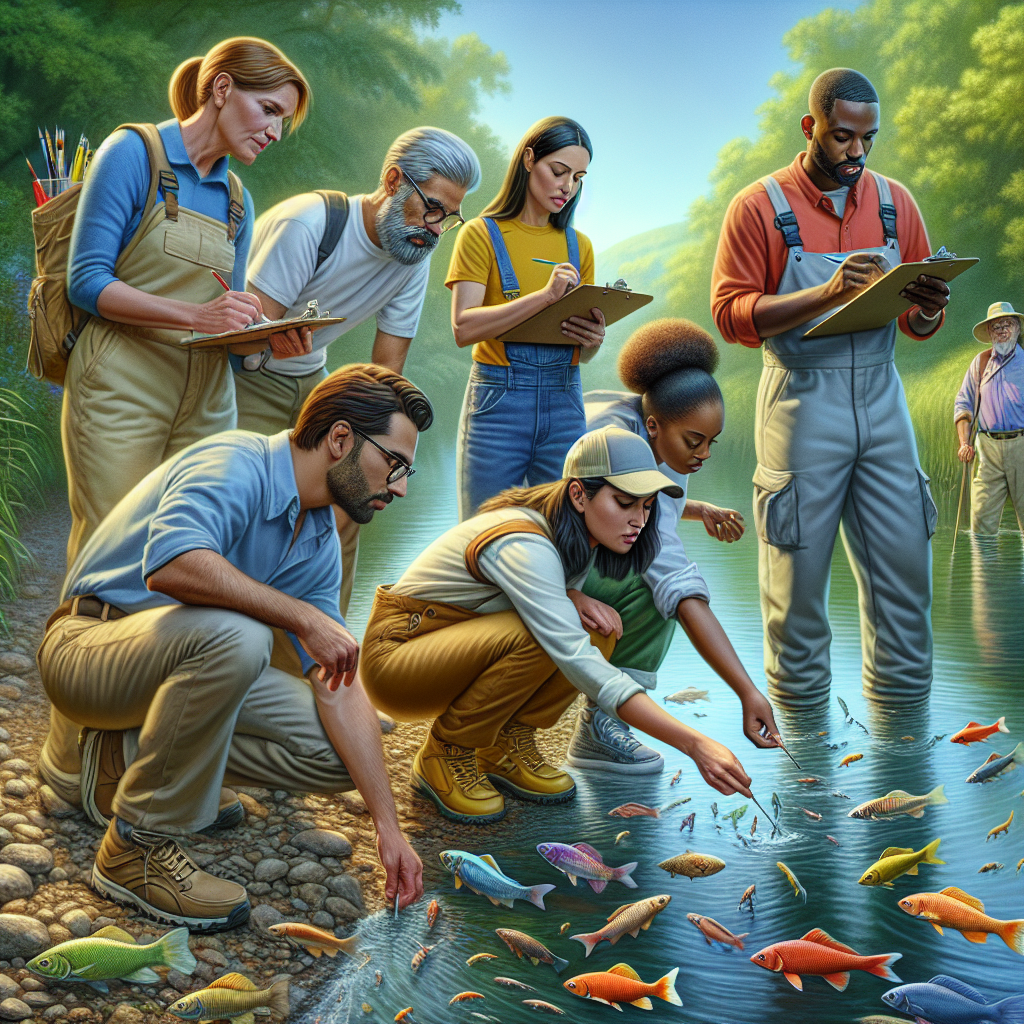
Addressing the freshwater fish shortage requires a multifaceted approach involving robust government legislation, active community engagement, and collaborative efforts among various stakeholders. Each of these components plays a crucial role in crafting sustainable solutions that ensure the health and longevity of freshwater ecosystems.
Government Initiatives and Legislation
Governmental policies and regulations are critical in managing and reversing the trends of declining freshwater fish populations. Many countries have enacted comprehensive legislation aimed at conserving freshwater resources and protecting fish habitats. For instance, the European Union’s Water Framework Directive seeks to achieve “good ecological status” for all water bodies by enforcing standards that limit pollution and ensure sustainable water use.
Additionally, governments are increasingly investing in scientific research to better understand aquatic ecosystems and the impacts of human activities. By funding studies that assess fish population dynamics and habitat requirements, policymakers can make informed decisions that balance ecological preservation with economic interests. Initiatives like the U.S. Fish and Wildlife Service’s National Fish Habitat Action Plan exemplify how targeted research can guide effective conservation strategies.
Community Engagement and Education
Community involvement is equally vital for fostering a culture of sustainability. Engaging local communities through education and awareness campaigns promotes sustainable practices and inspires action. Programs that educate individuals about preserving freshwater ecosystems can significantly reduce overfishing and habitat destruction.
Moreover, initiatives that encourage citizen science allow community members to actively participate in conservation efforts. By involving locals in data collection and monitoring activities, these programs foster a sense of ownership and responsibility towards their natural resources. As renowned ecologist Aldo Leopold once said, “Conservation is a state of harmony between men and land.” Empowering communities to engage with their environment is key to achieving this balance.
Collaborations Between Stakeholders
Collaboration among diverse stakeholders—ranging from governments and NGOs to local fishers and scientists—can amplify efforts to address the freshwater fish shortage. Collaborative efforts often result in innovative solutions that leverage the strengths and expertise of different groups. By pooling resources and knowledge, stakeholders can develop comprehensive strategies that address the root causes of fish population declines.
Furthermore, public-private partnerships can facilitate the implementation of sustainable technologies and practices. By engaging businesses in conservation efforts, these collaborations can drive economic incentives for sustainability. The Global Partnership for Sustainable Development, supported by the United Nations, highlights how such alliances can enhance resource management and promote sustainable development goals.
Addressing the freshwater fish crisis requires a concerted effort from all levels of society. Through strategic government policies, active community engagement, and collaborative stakeholder partnerships, we can work towards a future where freshwater ecosystems are protected, and fish populations can flourish.
Charting a Sustainable Future for Freshwater Fish
The freshwater fish shortage presents complex challenges, yet the path forward is filled with potential. By recognizing the interplay of overfishing, pollution, habitat degradation, and climate change, we gain a comprehensive understanding of the crisis at hand. It’s clear that innovative solutions are emerging to address these issues. From implementing sustainable fishing practices and restoring aquatic habitats to harnessing technological advancements in fish breeding, the initiatives are promising.
Equally important is the role of policy and community in driving change. Through effective legislation, community engagement, and collaborative efforts, societies can work towards a shared vision of ecological balance and resource sustainability. As stakeholders unite across sectors, the collective efforts promise not only to restore fish populations but also to enhance the resilience of freshwater ecosystems.
Ultimately, the journey towards a sustainable future for freshwater fish is a testament to human ingenuity and cooperation. By embracing these strategies, we can nurture the health of our planet’s vital resources, ensuring their abundance for generations to come.